


Meaningful Collaboration
Staff collaboration
The trust’s motto; ‘together we make the difference’, sits at the heart of all that the school does. The professional development of the Staff is a top priority. Subject leaders engage with up-to-date educational research and display considerable subject expertise. Staff value joining forces with colleagues from other schools in the trust to hone their practice. They are overwhelmingly proud to work at the school.
Old Moat Primary School Ofsted, July 2024
Absolutely central to the CLIC Trust is the principle of Changing Lives In Collaboration and that Together We Make The Difference. We learn with each other, we learn from each other, and we learn on behalf of each other, as a very close learning community.
There are many rich and varied opportunities for staff and pupils to collaborate to continually improve the quality of education and provision within our schools.
MAT Leadership Team
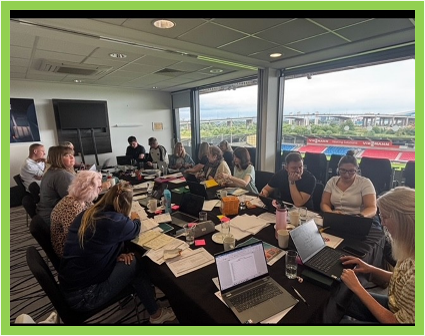
Collaboration at every level is central to our mission to improve outcomes for all CLIC pupils.
Our MAT leadership team meets regularly to work on shared priorities, providing both support and constructive challenge to drive continual improvement.
CLIC Conferences
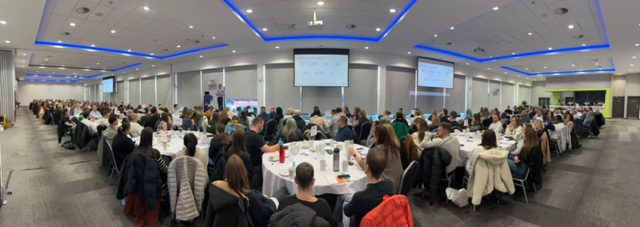
At CLIC, we value bringing staff from across our schools together to collaborate on the issues that matter most.
Grounded in evidence-informed practice, these trust-wide events enable colleagues to learn, share and reflect on our shared priorities. Themes emerge from a common need or interest across our schools and have included:
- Teaching Vocabulary – Word Aware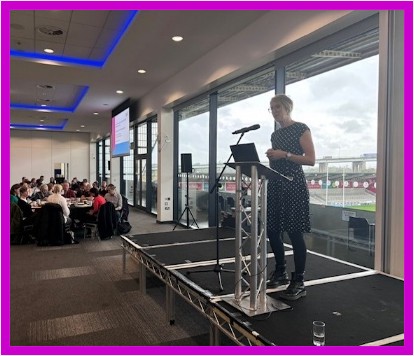
- Metacognitive Talk and Dialogic Teaching – Sarah Greene
- Evidence use in Education - Teaching Framework launch – CLIC Teaching Steering Group
- Relational Inclusion – Anthony Benedict
- Inclusive Practice – Gary Aubin
CLIC Learning Circles
Our learning circles create space for leaders and teachers to collaborate on curriculum priorities. This year, teams in English, Maths and SEND are working together to drive shared improvement.
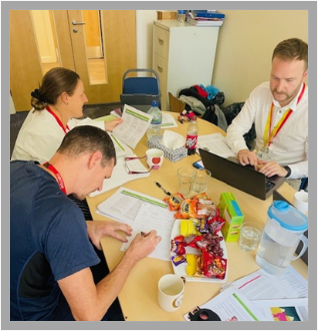

Working Together to Enhance Adaptive Teaching: SEND Learning Circle
Across our trust, we are committed to high-quality, inclusive teaching that enables every child to thrive and feel valued within their school community. Our SENDCOs meet half-termly to collaborate and drive shared priorities. A recent focus has been developing a common understanding of adaptive teaching across our schools. The team aimed to move from theory to practice by identifying clear, subject-specific examples of effective adaptive approaches.
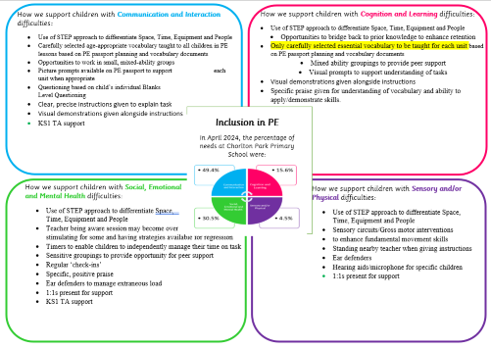
After reviewing evidence on supporting pupils with SEND, the SENDCO team explored what these strategies look like in the classroom. The resulting Inclusion in Action resources capture this shared learning and now support inclusive practice across our family of schools.
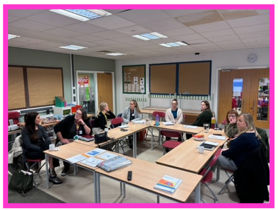
After reviewing evidence on supporting pupils with SEND, the SENDCO team explored what these strategies look like in the classroom. The resulting Inclusion in Action resources capture this shared learning and now support inclusive practice across our family of schools.
CLIC Steering Groups
CLIC steering groups are one of the ways we drive improvement in key areas of Trust strategy, drawing on the expertise and passion of staff from across our family of schools. These groups are formed in line with Trust priorities and work collaboratively for the duration of the project.
Curriculum Steering Group 2019-2021
The Curriculum Steering Group worked with leading experts Maggie Parker (HMI) and Clive Davies (Focus Education) to strengthen our approach to curriculum intent and implementation, with a particular focus on how metacognition and cognitive science inform curriculum design and teaching. The work of this group laid the foundations for the Trust's Curriculum Active Ingredients: our seven guiding principles for curriculum design.
active ingredients reworked may 26.pdf
Teaching Steering Group 2022-2025
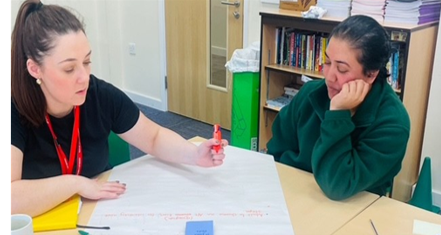
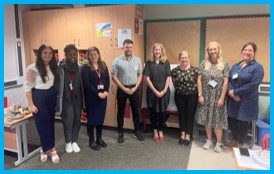
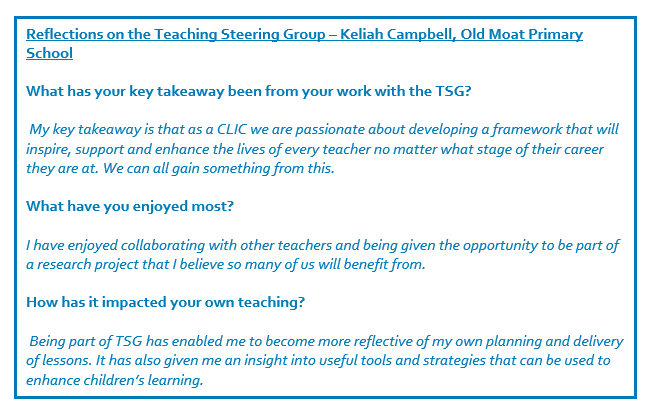
 EEF evidence indicates that great teaching is the most important lever schools have to improve outcomes for pupils. Subsequently, one of our central missions as a trust to have an excellent teacher in every classroom. The teaching steering group was a collaboration of teachers, teaching assistants and leaders working together to use evidence to inform a trust-wide applied understanding of excellent teaching. Through this collaboration the CLIC Teaching Framework was born.
teaching framework amended 11 05 26.pdf
Digital Steering Group 2025-present
In March 2025, leaders, Governors and Trustees came together to set a new strategic direction for the Trust. One of our five-year curriculum goals is to ensure that technology becomes a fundamental element of curriculum content, planning and teaching for all pupil groups.
Recognising the rapid evolution of AI in UK education, we established the Digital Steering Group in September 2025. This year, the group is exploring how AI can support curriculum planning and the creation of teaching resources, with a particular focus on adaptive approaches.
Members are trialing ideas developed in the group within their own classrooms, preparing to share their learning across their schools.
CLIC Subject networks
The CLIC subject networks are a strong example of meaningful collaboration in action. They provide dedicated time for subject leads to explore key priorities and deepen their subject expertise.
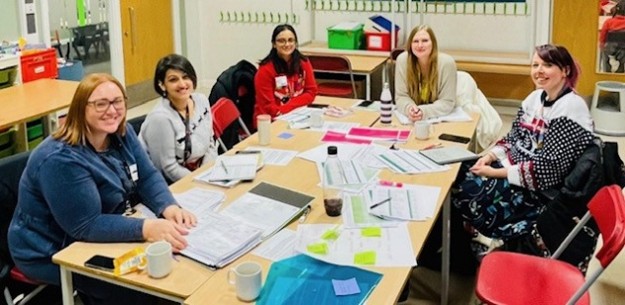
These networks began in 2022, sparked by a shared commitment to read and reflect on the Ofsted subject reviews together. The feedback from these sessions was overwhelmingly positive, with leaders valuing the opportunity to think deeply about their subject. As a result, the networks have now become an established and valued part of our core offer.
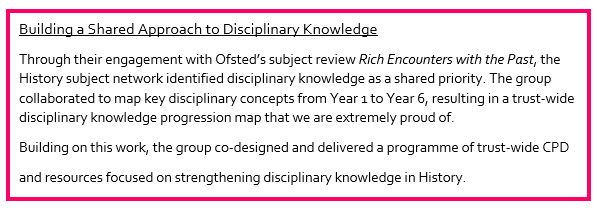

Building a Shared Approach to Disciplinary Knowledge
Through their engagement with Ofsted’s subject review Rich Encounters with the Past, the History subject network identified disciplinary knowledge as a shared priority. The group collaborated to map key disciplinary concepts from Year 1 to Year 6, resulting in a trust-wide disciplinary knowledge progression map that we are extremely proud of. Building on this work, the group co-designed and delivered a programme of trust-wide CPD and resources focused on strengthening disciplinary knowledge in History.
"I have found it useful to talk to other subject leaders and get a better picture of where the other schools in the trust are. Since we are just starting our journey at Lily Lane, it was a fantastic chance to speak to teachers who have been in this role for longer than I have and who were able to give me ideas and guidance on where to focus my development next. Being able to give and share ideas is a fantastic way to help each other as a trust. Our meetings have given me a clearer focus for what to do next and where our areas of development should be. It was a good opportunity to look at the latest DFE guidance and work together as a trust to build documentation that we know will be useful to all of us in all schools" – Nicole Jackson, Lily Lane Primary School
"Being part of the History Network has developed my knowledge of curriculum design. Hannah's coaching gave me the confidence to be hands on at every stage, including delivery of a revised humanities curriculum to our staff team. As a subject leader, I feel like I have a much deeper understanding of how to ensure progression of both knowledge and skills in history" – Asha Dhanda, Old Moat Primary School
Early Careers Network
Our Early Career Teachers meet half-termly in response to requests for a dedicated network for newly qualified teachers. Each session provides time for ECTs to share experiences, exchange ideas and explore evidence-informed approaches linked to the Early Career Framework—learning with and on behalf of one another.
The group reflects on key learning and then observes experienced teachers modelling these approaches in practice.
Each year concludes with a celebration event, where teachers and their headteachers come together to reflect on how their learning has shaped and strengthened their classroom practice.
‘These sessions have had a positive impact on my teaching because they have supported me to think deeply about my practice.’ - Charlotte Law, Lily Lane Primary School
‘Our sessions have made me think purposefully about how to put evidence informed approaches into practice.’ - Leanne Maylett, Chorlton Park Primary School
‘It has been great from the position of Head teacher to see that the network content has dovetailed well with school priorities, which has been supportive of work load’ - Lenny Lewis, Head, Lily Lane Primary School
Pupil collaboration
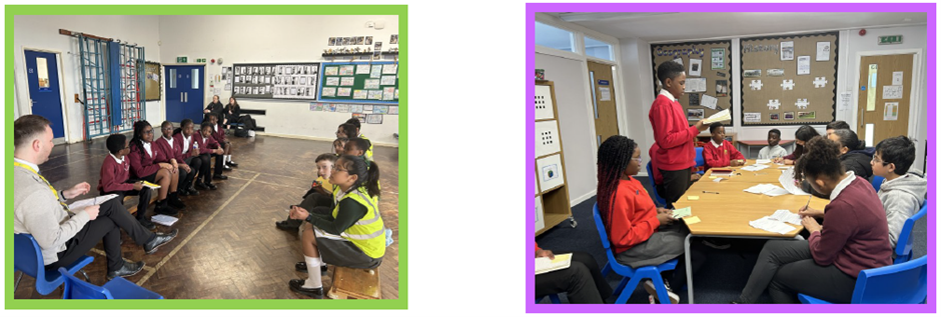
Providing pupils across CLIC schools with meaningful opportunities to collaborate and learn together is a shared priority for all stakeholders. We gather pupil voice from every year group in each school to understand how they would like to work with peers across the Trust. Drawing on their ideas, we have developed an annual calendar of collaborative events.
Highlights include:
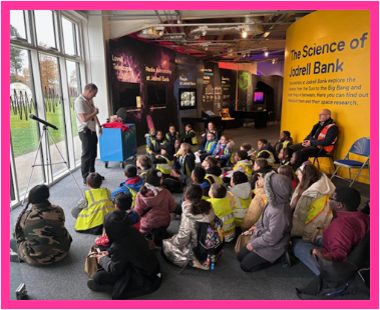
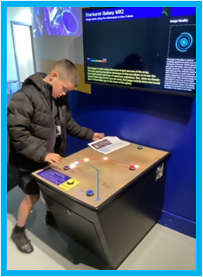
- Year 5 visit to Jodrell Bank - enriching Science learning
- Year 6 CLIC Debating Competition
- CLIC Times Tables Rockstars Tournament
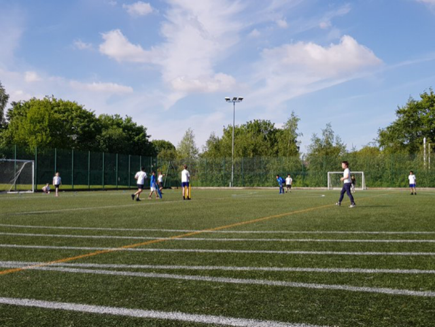
- The CLIC Cup - a series of inclusive sporting events
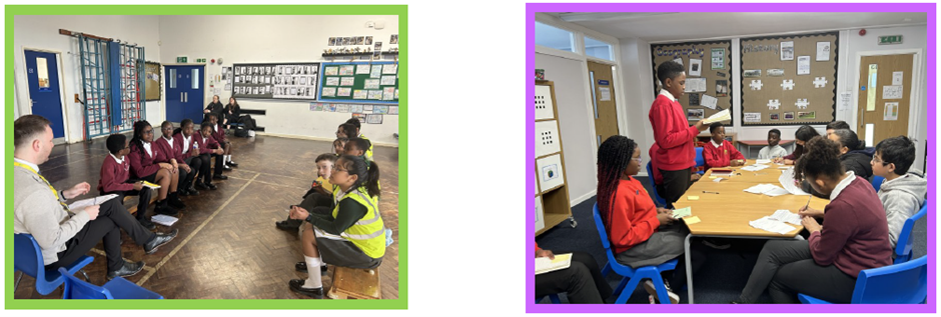


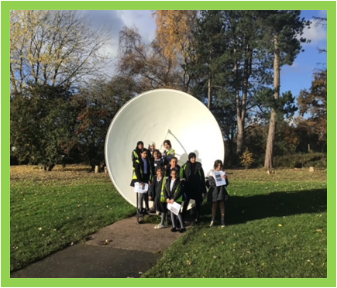
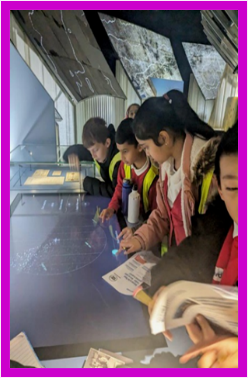
‘It’s so great to be on a trip with our other CLIC schools – I love it’
- Year 5 pupil
Partnerships




Partnership is central to our commitment to improving outcomes for pupils both within CLIC and across Greater Manchester. Our schools work closely with local hubs, and several of our leaders contribute to the work of the North West Maths Hubs. We also have a long-standing relationship with the EEF and the Research School Network, with members of our Education team serving as Evidence Leads in Education (ELEs).
Over the past two years, our Education Director, Hannah Heron, has collaborated with Manchester Communication Academy Research School and the Local Authority to develop and deliver Manchester’s Write Beginning partnership. This EEF-funded project aims to strengthen the use of evidence to improve writing outcomes for disadvantaged pupils across the city.